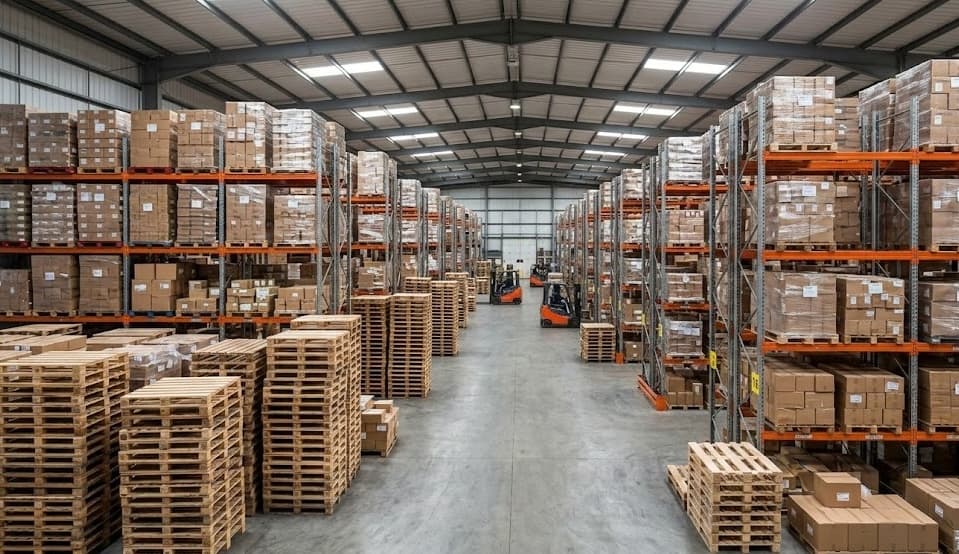
Pallets are so ubiquitous in warehouses that it's easy to forget they can be hazardous. According to industry data, pallet-related incidents account for over 30,000 workplace injuries in the US annually. Nearly all of these injuries are preventable with proper training and practices.
The most common hazards include protruding nails, splinters, unstable stacks, and improper lifting. Less obvious but equally dangerous are slip-and-fall risks from broken boards, crush injuries from falling stacks, and repetitive strain injuries from manual pallet handling. Understanding these risks is the first step toward preventing them.
Always inspect pallets before use. Check for broken boards, protruding nails, and structural integrity. A two-second visual inspection can prevent a serious injury. Make inspection a habit — every pallet, every time. If a pallet fails inspection, remove it from service immediately and route it to repair or recycling.
Never stand on pallets. They're designed to support distributed loads, not concentrated point loads. Standing on a pallet — especially a damaged one — is one of the leading causes of pallet-related falls. Workers who need to reach high shelving should use proper step stools or order pickers, never pallets.
Stack pallets on flat, level surfaces, no more than 15 high. Ensure stacks are straight and uniform. Leaning stacks are a collapse risk, especially when bumped by forklifts. A falling stack of empty pallets weighs hundreds of pounds — enough to cause serious injury or death. Use chocking or strapping for outdoor stacks that might be affected by wind.
Forklift operators need specific training on pallet handling. Common operator errors include entering pallets at an angle (which cracks lead boards), dropping pallets from height (which damages stringers), and pushing pallets rather than lifting them (which creates floor hazards). Operator training should include pallet-specific handling techniques.
Use proper PPE: gloves to prevent splinters, steel-toed boots for foot protection, and eye protection when dismantling or repairing pallets. Many warehouse operations require hard hats in pallet storage areas due to the overhead hazard from stacked pallets. Ensure PPE requirements are clearly posted and enforced.
Ergonomic considerations are important for workers who handle pallets manually. A standard empty pallet weighs 40-50 lbs. Lifting and moving pallets repeatedly throughout a shift can cause back injuries, shoulder strain, and other musculoskeletal problems. Provide mechanical aids — pallet inverters, stackers, and jack assists — wherever feasible.
Regular safety training refreshers keep awareness high. A 15-minute monthly toolbox talk on pallet safety can dramatically reduce incident rates. Include real-world examples and near-miss reports to make the training relevant and memorable. Workers who understand why safety practices exist are more likely to follow them.
Creating a safety-first culture around pallet handling pays dividends far beyond injury prevention. It reduces workers' comp claims, lowers insurance premiums, reduces pallet damage (and therefore pallet costs), and creates a more professional, efficient operation overall.