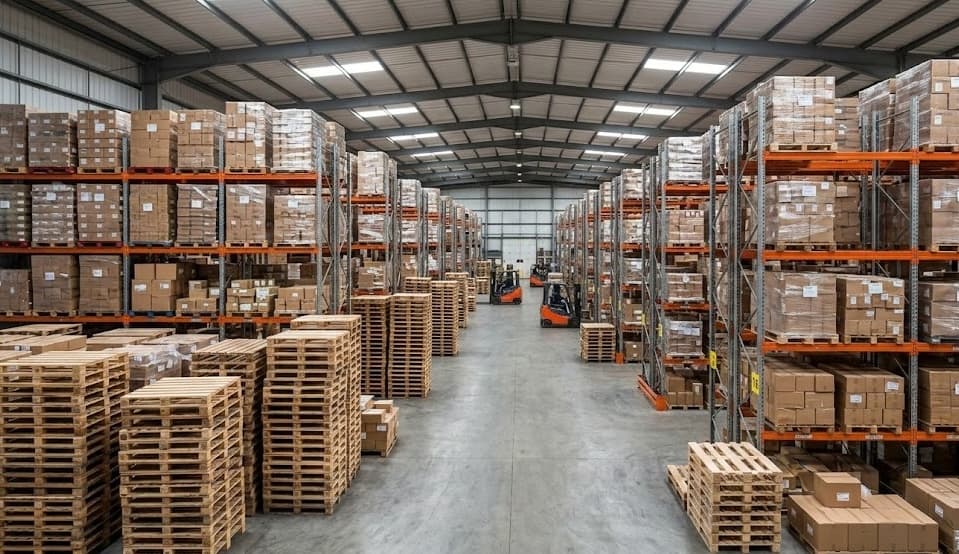
As the year winds down, warehouse managers have a golden opportunity to optimize their pallet operations for the year ahead. A year-end pallet audit takes only a few hours but can save thousands of dollars and eliminate chronic inefficiencies. Here's a practical checklist.
Audit your inventory. Count your pallets by type, size, and condition. How many are Grade A? How many need repair? How many should be recycled? This baseline data is essential for smart purchasing decisions in the new year. You might be surprised — many warehouses are sitting on hundreds of repairable pallets that they've been ignoring while buying new.
Clean up your storage areas. Discard (recycle!) pallets that have been sitting unused for more than 6 months. Consolidate sizes. Organize stacks by grade. A clean pallet yard is a more efficient pallet yard. Disorganized pallet storage leads to damage from unstable stacks, wasted time searching for the right size, and a generally unsafe work environment.
Assess your damage patterns. Look at which pallets are getting damaged most frequently and where in your operation the damage occurs. Is it during receiving? Shipping? Storage? Identifying the damage source lets you address the root cause — whether it's forklift operator training, improper racking, or using the wrong pallet grade for the application.
Review your spending. How much did you spend on new pallets this year? How much on disposal? Compare these numbers against what recycled pallet programs would have cost. The savings opportunity is usually eye-opening. We've worked with businesses that discovered they were spending 3-4x more than necessary simply because nobody had ever questioned the default purchasing process.
Evaluate your suppliers. Are your current pallet suppliers delivering consistent quality? Are their prices competitive? Is their service reliable? Year-end is the right time to shop around, get competitive quotes, and potentially consolidate suppliers for better pricing and simpler management.
Negotiate annual contracts. If you use more than 100 pallets per month, an annual supply contract with a recycler can lock in favorable pricing and guarantee availability during peak seasons. Most recyclers offer 5-10% discounts for annual commitments, and the supply guarantee alone is worth the commitment during high-demand periods.
Set sustainability targets. Track your pallet recycling rate and set a goal for improvement. Even a 10% increase in recycled pallet usage translates to meaningful cost savings and environmental impact. These metrics also feed directly into ESG reporting for businesses that track environmental performance.
Plan for Q1 demand. If your business has seasonal peaks early in the year, now is the time to reserve inventory. Don't wait until January to discover that your supplier is sold out of the sizes you need. A purchase order placed in December ensures availability when you need it.
A little year-end planning goes a long way. Start the new year with clean storage, clear data, and a solid pallet strategy. The businesses that treat pallets as a managed resource rather than an afterthought consistently spend less and operate more efficiently.