The sustainable packaging industry is evolving at breakneck speed. Driven by regulatory pressure, consumer demand, and genuine technological innovation, the landscape in 2025 looks dramatically different from even five years ago. Here are the trends that will shape the year and beyond.
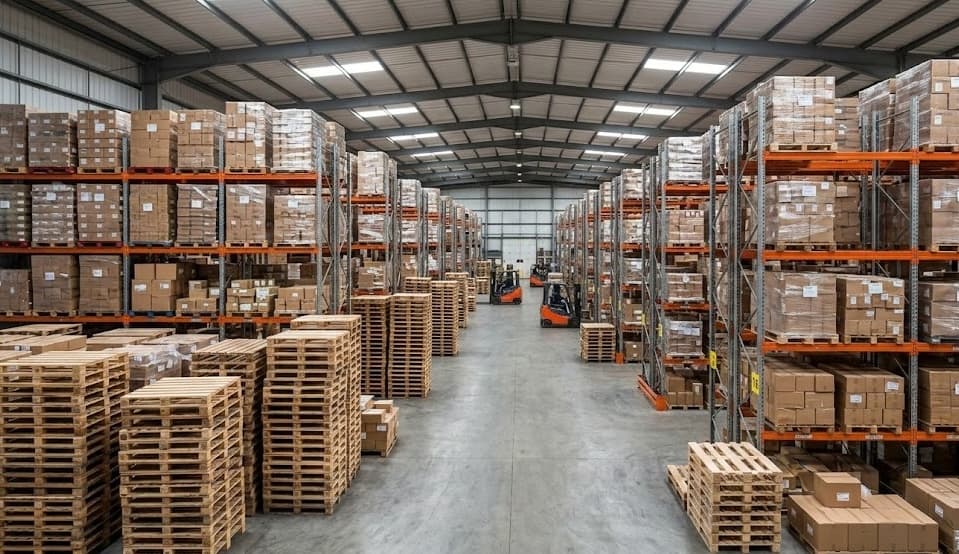
Reusable packaging systems are gaining serious momentum. Pooled pallet and container programs, where packaging circulates between multiple companies, are reducing per-unit costs and waste simultaneously. Companies like CHEP and PECO have operated pallet pools for decades, but new technology-enabled platforms are making pooling accessible to mid-sized businesses that were previously excluded.
Bio-based materials are moving from lab to market. Mushroom-based packaging (mycelium), seaweed wraps, and agricultural waste fibers are emerging as viable alternatives to petroleum-based materials. Mycelium packaging in particular has attracted significant venture funding and is being piloted by major electronics and furniture companies as a replacement for expanded polystyrene.
AI and machine learning are optimizing load planning in ways that weren't possible before. Smart algorithms can now determine the optimal pallet configuration to minimize packaging materials while maximizing transport efficiency. Some systems can reduce packaging material usage by 15-20% while actually improving load stability — a win for both cost and sustainability.
Extended Producer Responsibility (EPR) legislation is expanding rapidly. More states and countries are requiring producers to take financial responsibility for their packaging waste, creating financial incentives for sustainable choices. California, Maine, Oregon, and Colorado already have EPR laws on the books, with a dozen more states actively considering legislation.
Carbon labeling is becoming mainstream. Consumers and businesses want to know the carbon footprint of their packaging. Expect to see more carbon metrics printed directly on packaging materials, similar to how nutritional labels changed food packaging decades ago. Early adopters are finding that carbon labeling drives both consumer preference and operational efficiency improvements.
Right-sizing is gaining sophistication. Amazon's ship-in-own-container program and similar initiatives by other retailers are reducing oversized packaging and void fill waste. AI-driven box selection algorithms now match package dimensions to product dimensions with millimeter precision, eliminating the most visible form of packaging waste.
The circular pallet economy continues to grow. More businesses are recognizing that used pallets aren't waste — they're resources. The recycled pallet market is projected to grow 8% annually through 2030, outpacing the new pallet market. This shift reflects both economics (recycled is cheaper) and values (recycled is more sustainable).
Digital platforms are transforming how pallets and packaging materials are bought and sold. Online marketplaces connecting pallet suppliers and buyers are improving price transparency, reducing transaction costs, and making it easier for businesses to find recycled options. The "pallet tech" sector, though small, is attracting venture capital attention.
At Anaheim Eco Pallets, we're watching these trends closely and investing in the capabilities to help our customers stay ahead of the curve. The businesses that embrace sustainable packaging today will have a competitive advantage tomorrow — in cost, compliance, and customer preference.