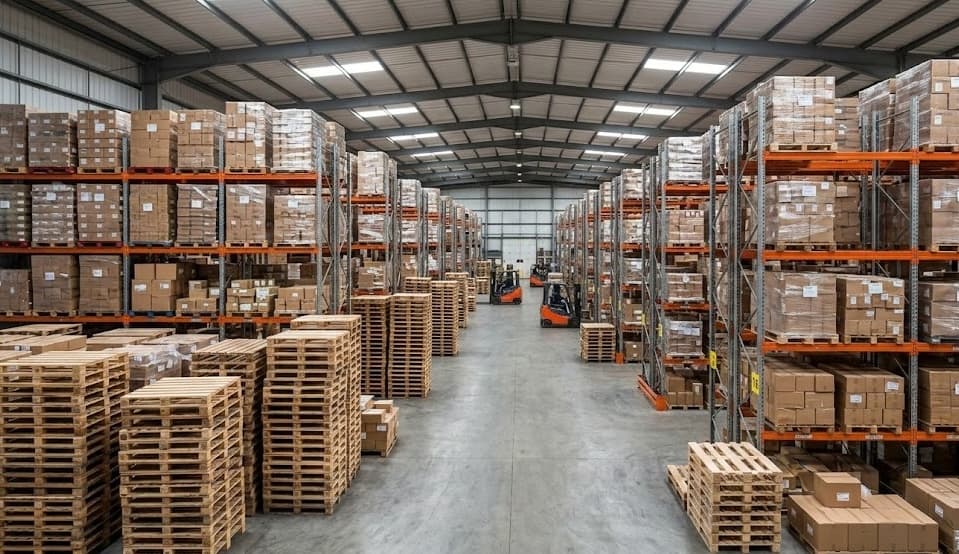
The retail industry, one of the largest consumers of pallets in the world, is undergoing a significant shift toward recycled pallet usage. And the reasons go beyond simple cost savings — they reflect fundamental changes in how retailers think about supply chain sustainability, risk management, and brand value.
ESG reporting requirements are a major driver. Publicly traded retailers must now report on environmental metrics, and pallet sourcing is a measurable, improvable data point. Switching to recycled pallets creates instant, quantifiable improvement in Scope 3 emissions metrics. Investors and analysts are paying attention to these numbers.
Consumer expectations have shifted permanently. Shoppers increasingly prefer brands that demonstrate genuine environmental commitment — not just marketing claims, but documented practices. Sustainable supply chain practices — including pallet recycling — contribute to brand perception in ways that affect purchasing decisions.
Supply chain resilience is another critical factor. During the lumber price spikes of 2021-2022, businesses dependent on new pallets faced severe cost increases (lumber prices tripled) and shortages that disrupted operations. Those using recycled pallets were largely insulated from these disruptions because recycled pallet supply is decoupled from lumber commodity markets.
The quality gap has effectively closed. Modern pallet recycling operations produce Grade A pallets that are virtually identical to new ones in performance. Automated sorting, standardized grading, and rigorous quality control have transformed recycled pallets from a compromise to a preferred option. The stigma of "used" pallets is fading as quality standards improve across the industry.
Regulatory compliance is increasingly favoring recycled materials. California's packaging and waste reduction mandates, the EU's Packaging and Packaging Waste Regulation, and similar legislation worldwide are creating frameworks where recycled materials are not just preferred but potentially required. Retailers that establish recycled supply chains now avoid scrambling to comply later.
Cost savings remain compelling even as other factors gain importance. With recycled pallets costing 40-60% less than new, the savings at retail scale are measured in millions of dollars annually. A national retailer operating 500 stores and using 10,000 pallets per month saves $3-5 million annually by switching to recycled. That's a compelling business case by any measure.
Vendor requirements are cascading through supply chains. When a major retailer specifies recycled pallets, their suppliers must comply. This ripple effect is driving adoption far beyond the retailers themselves, expanding the recycled pallet market throughout the economy.
Store-level waste reduction programs are another driver. Retailers are implementing backhaul programs where used pallets from stores are returned to distribution centers for recycling rather than disposed of locally. These programs reduce waste disposal costs at the store level while feeding the recycled pallet supply chain.
Whether you're a small retailer or a national chain, the advantages of recycled pallets apply at every scale. The question isn't whether to switch — it's how soon you can start. The longer you wait, the more savings you leave on the table and the further you fall behind competitors who've already made the move.